
What is Music Therapy?
Music therapy is a discipline in which Certified Music Therapists (MTAs) use music purposefully within therapeutic relationships to support development, health, and well-being. Music therapists use music safely and ethically to address human needs within cognitive, communicative, emotional, musical, physical, social, and spiritual domains.
– Canadian Association of Music Therapists, 2020
Find out more:
Canadian Association of Music Therapists
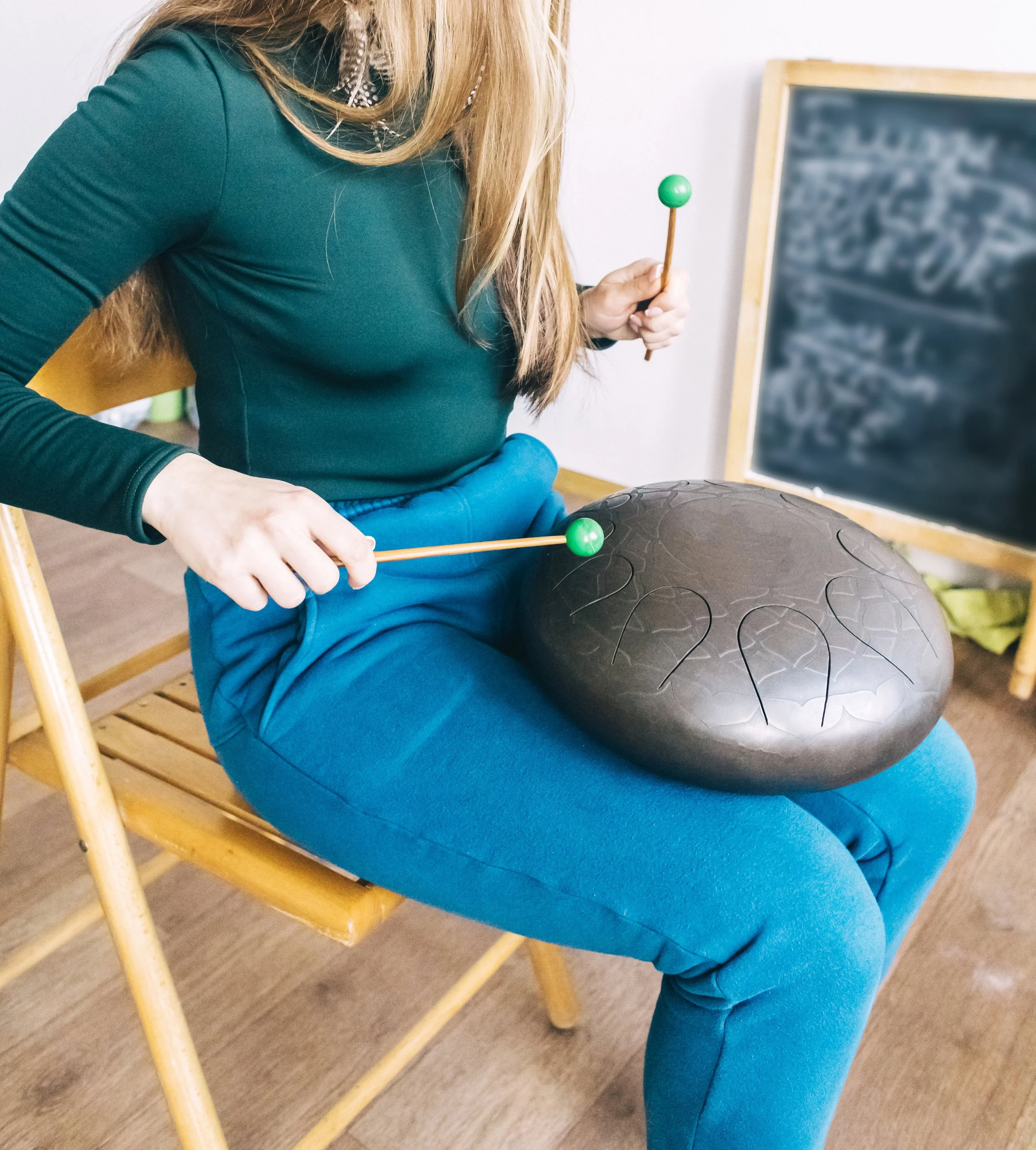
Who is a Music Therapist?
Music therapists have training both as clinicians and musicians. They are trained in clinical improvisation skills, music therapy models, psychosocial development, clinical treatment plan development, and documentation. They work in a variety of both private and community-based settings such as hospitals, long-term care facilities, hospices, private practice, correctional centres, mental health facilities, schools, community programs, and addiction centres.
How is Music Therapy Beneficial?
Music therapy can be beneficial for supporting folks across the lifespan, in a variety of settings. Goals are individualized to the client and determined through initial and ongoing assessment.
Some examples of the benefits include:
Improve communication skills
Improve self-esteem
Facilitate learning & processing of emotional issues
Promote independent mobility
Provide alternative forms of self-expression
Manage stress and anxiety
Manage pain
Develop coping skills
Support sensory regulation and integration
(CAMT 2020)

What Happens in a Session?
No musical experience is needed to participate in music therapy!
Some experiences that may be used include:
Singing/ active music making
Receptive/ listening experiences
Songwriting
Movement to music
Verbal discussion/reflection
Improvisation
Playlist creation
Music discussion, lyric analysis
Music and mindfulness experiences